Lisbon: A Journey Through the Heart of the Atlantic
A global capital of discovery, light, resilience, and soul.
About Lisbon
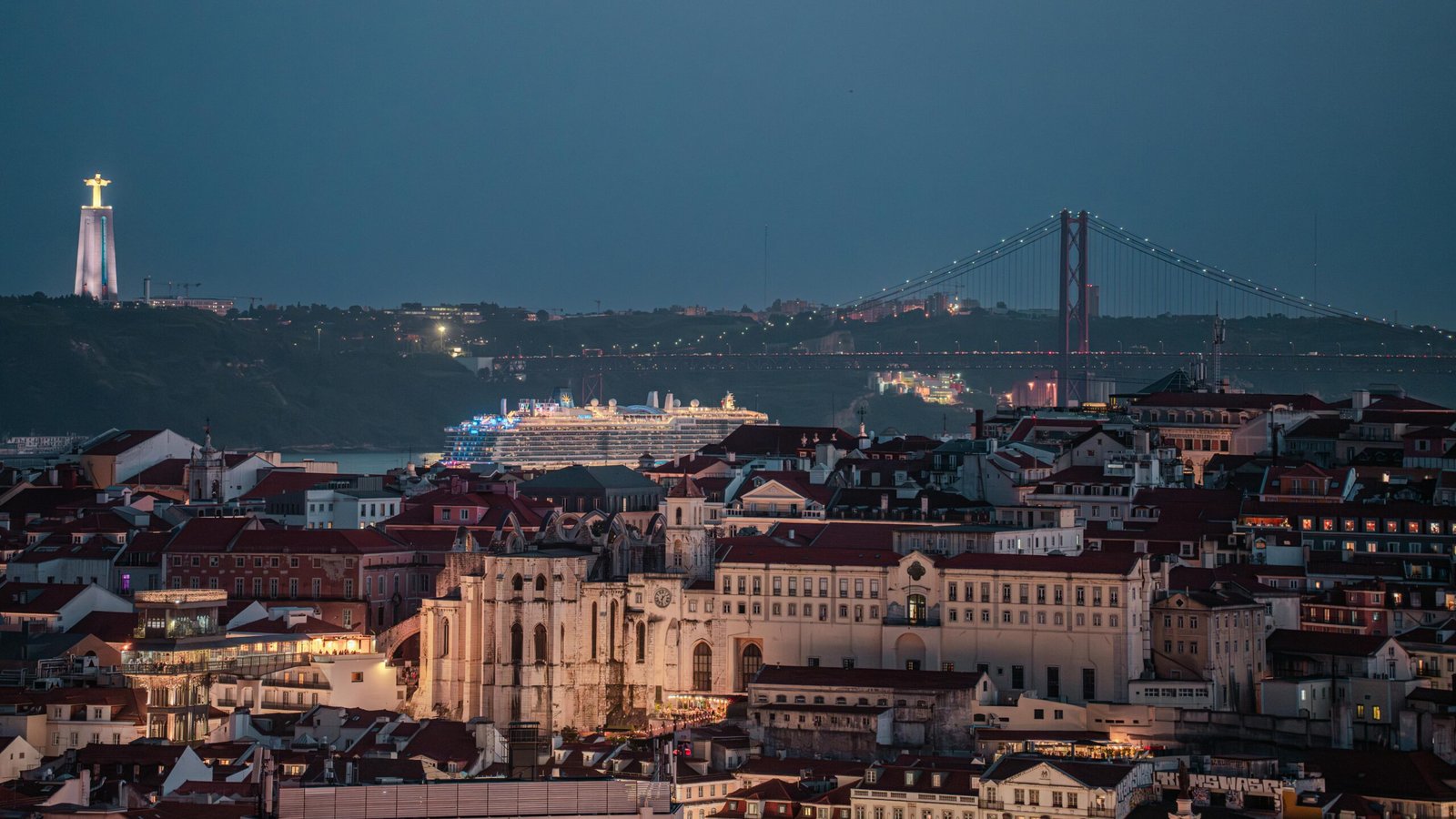
Lisbon is not just a city; it is an open-air archive where nearly three millennia of history meet a vibrant, sun-drenched modern identity. From its ancient Phoenician trading roots to the sleek tech hubs of the Parque das Nações, Lisbon has survived devastating earthquakes, fires, and political shifts to remain a global beacon of culture, maritime influence, and hospitality.
Whether you are navigating the narrow, fado-filled alleyways of Alfama or witnessing the grand vistas from the Castelo de São Jorge, Lisbon offers an experience that is both quintessentially Portuguese and global in its outlook. The city’s atmosphere is a unique blend of melancholic tradition (Saudade) and a bright, entrepreneurial future, making it a destination that reveals new secrets with every visit.
A Brief History: From Olissipo to the Modern Metropolis
To understand Lisbon today, you must explore its layers. One of the oldest cities in the world, its foundations predating Rome by centuries, it was known as Olissipo by the Phoenicians and Romans alike.
Remnants of Roman galleries can still be accessed beneath the streets of the Baixa, while the medieval walls of the Moorish quarter stand as a reminder of the city’s diverse and ancient origins.
The Great Earthquake and the Rebirth of the City
In 1755, one of the most powerful earthquakes in history destroyed much of the medieval capital. From the ruins, the Marquês de Pombal orchestrated a visionary reconstruction, creating the Baixa Pombalina—the world’s first grid-based, earthquake-resistant city center. This period marked the transition to the elegant, uniform stone facades and wide plazas that define Lisbon’s iconic “Golden Light” today.
The Age of Discovery and the Industrial Spark
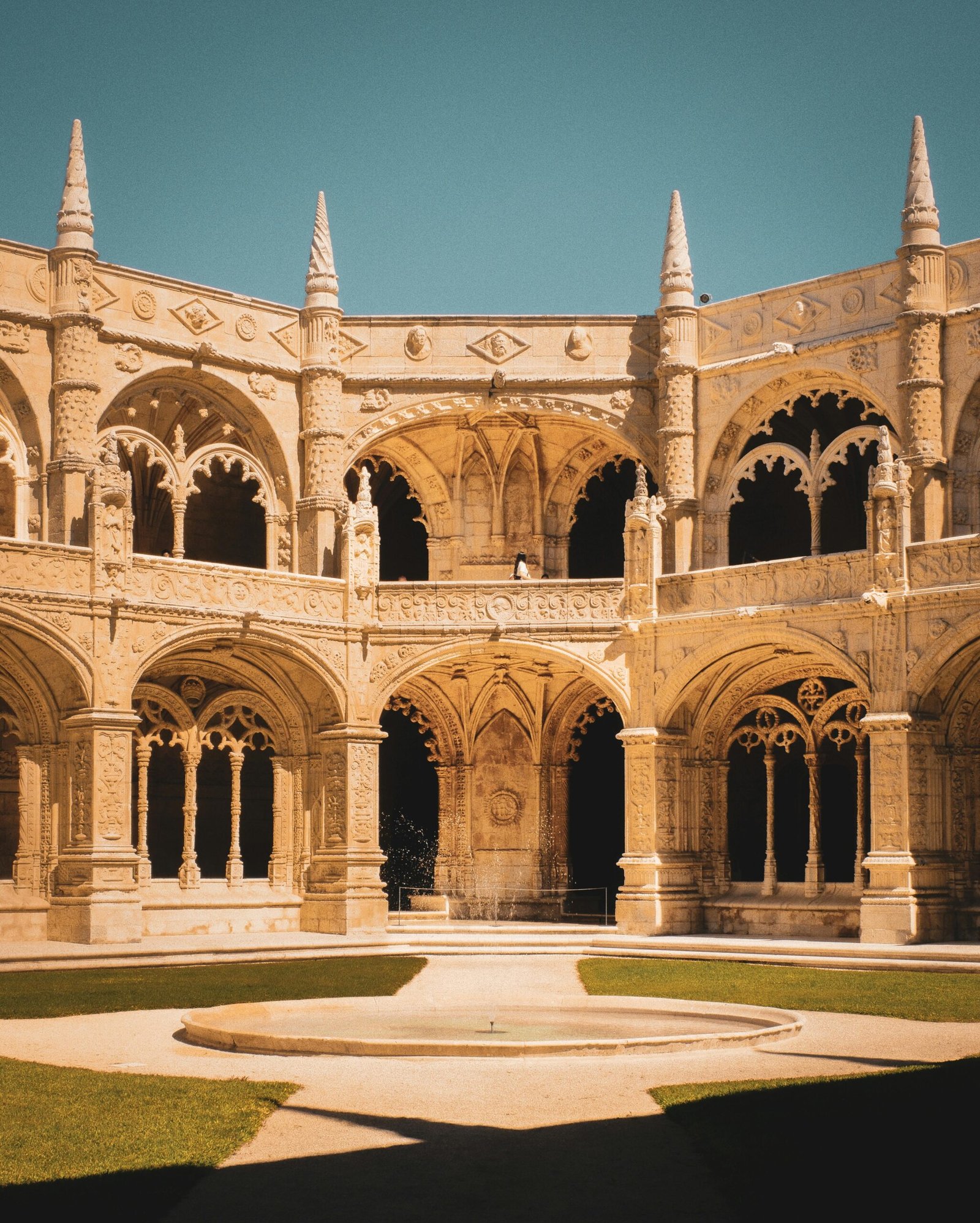
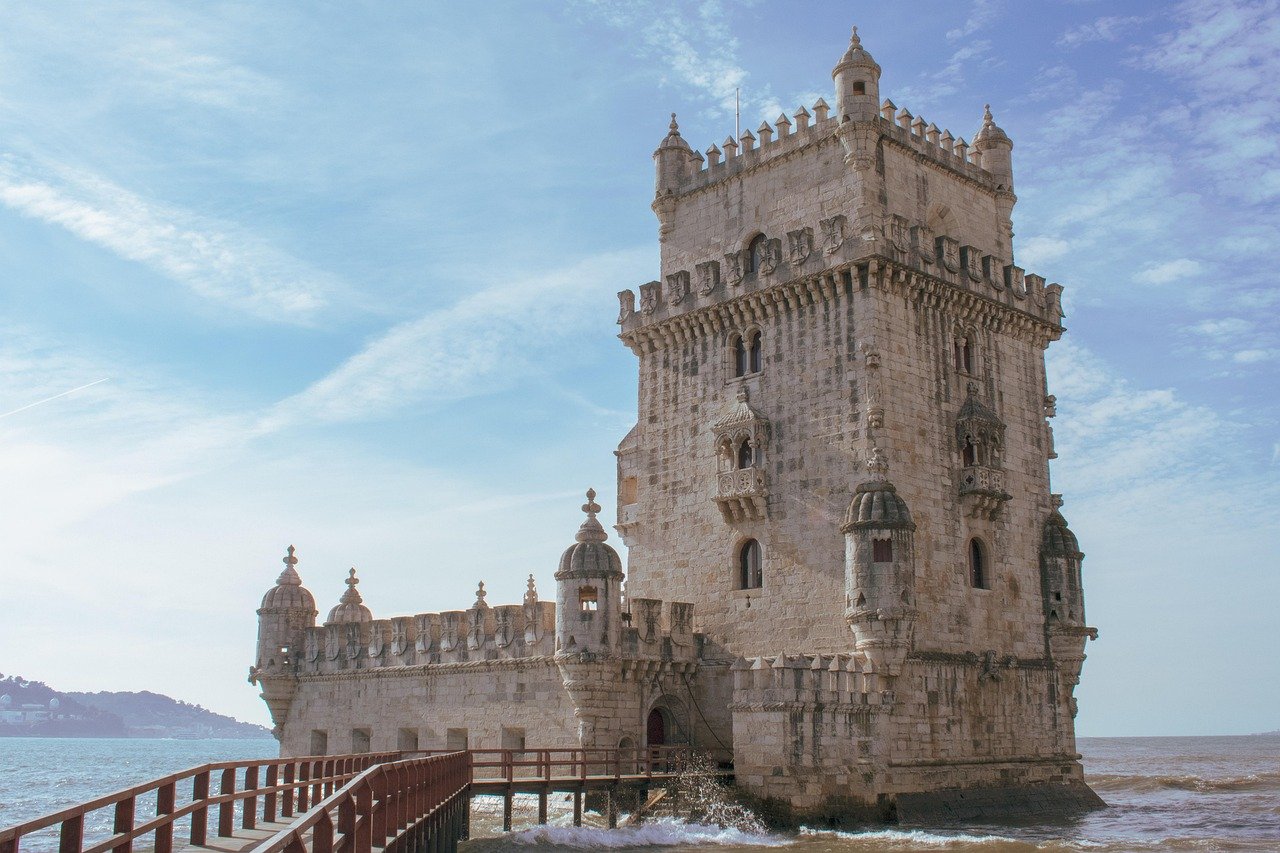
The 15th and 16th centuries saw Lisbon become the center of the known world during the Age of Discovery. This era gave the city its most magnificent Manueline architecture, such as the Jerónimos Monastery and the Belém Tower. In the modern era, the 1998 World Expo transformed the eastern waterfront into a futuristic district, cementing Lisbon’s reputation as a city that seamlessly bridges its legendary past with a high-tech future.
Navigating the Neighborhoods: Lisbon’s Seven Hills
Lisbon is a city of distinct “Bairros,” each offering a different rhythm, aesthetic, and historical soul. Understanding these neighborhoods is the key to planning a successful event.
Belém: The Monumental District
This is the Lisbon of postcards and the “Age of Discovery.” It is home to the Jerónimos Monastery, the Belém Tower, and the Padrão dos Descobrimentos. Walking along the riverside, you feel the weight of Portugal’s maritime history. It is the cultural heart of the city and a primary destination for grand gala dinners and monumental corporate backdrops.
Baixa & Avenida da Liberdade: The Sophisticated Core
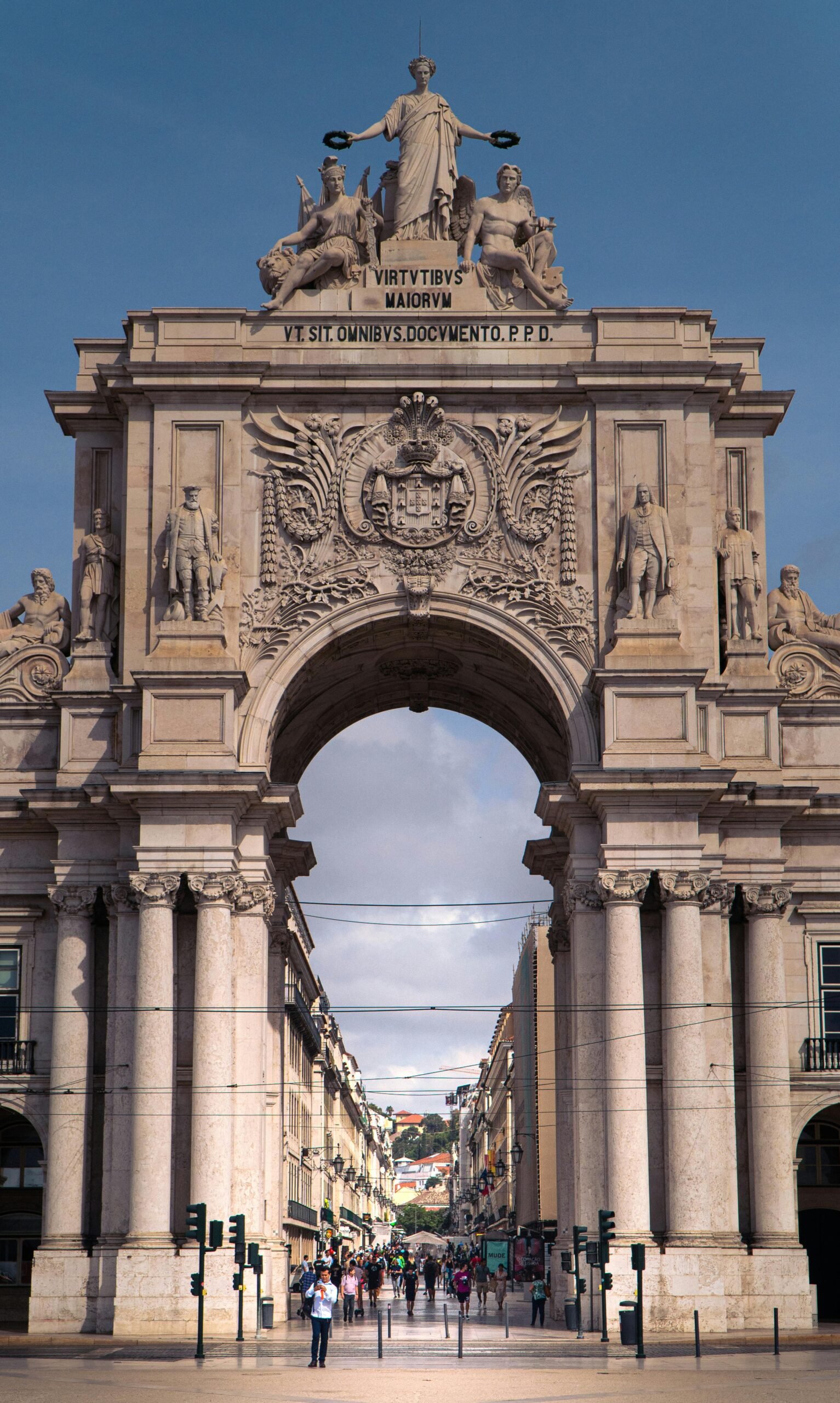
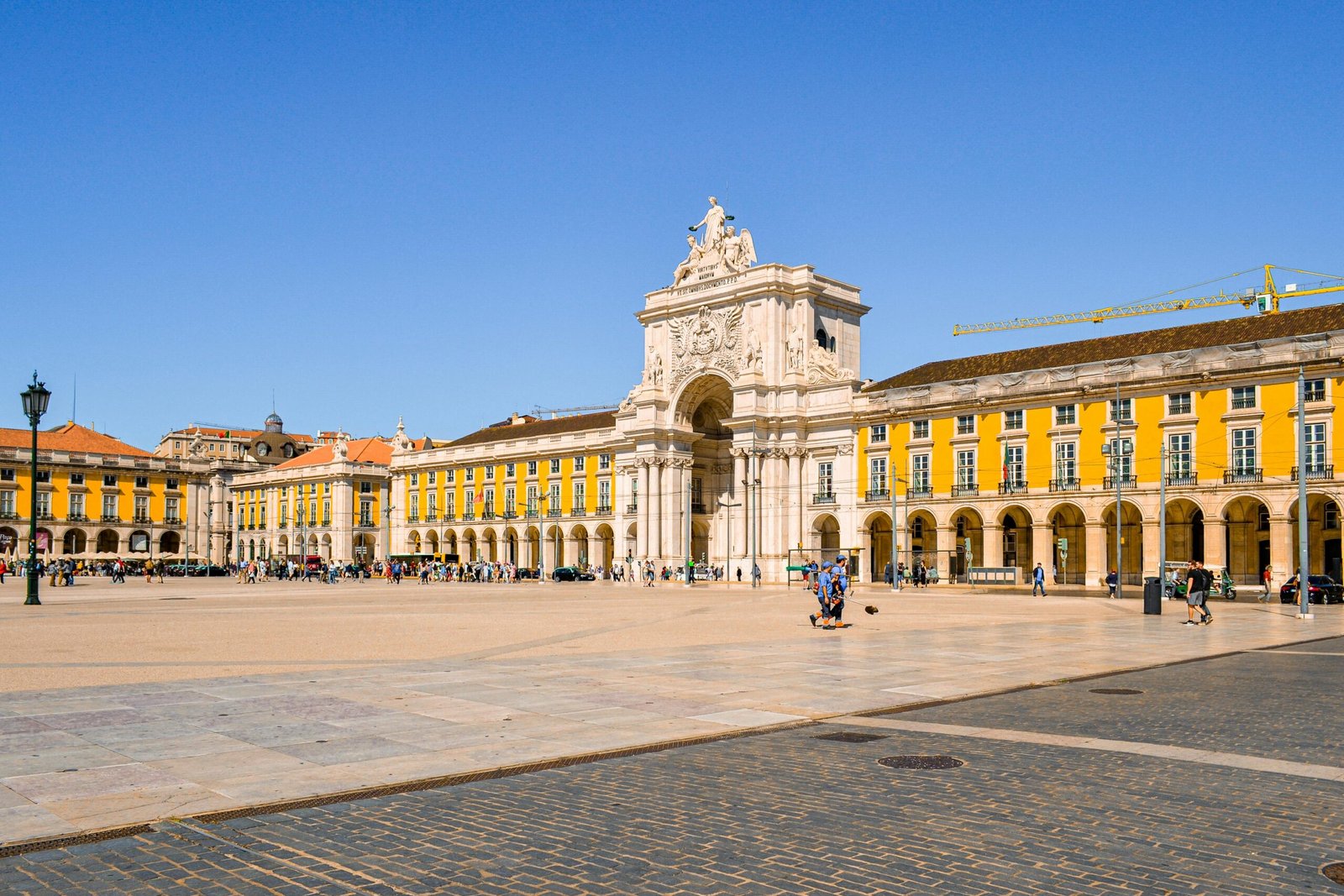
If Westminster is the seat of power, Baixa is the architectural triumph of resilience. Rebuilt after the 1755 earthquake, its grid-like streets lead to the grand Praça do Comércio. Just north lies Avenida da Liberdade, Lisbon’s answer to the Champs-Élysées, lined with luxury boutiques, 5-star hotels, and lush gardens—the “it” location for high-end corporate stays.
Alfama & Mouraria: The Soul of Tradition
Lisbon’s oldest districts are a labyrinth of narrow, winding alleys that survived the Great Earthquake. Here, the air is thick with the scent of grilled sardines and the haunting melodies of Fado. It is an immersive “village” within the city, perfect for authentic treasure hunts and intimate evening events in hidden courtyards.
LX Factory & Alcântara: The Creative Frontier
Once a gritty industrial complex, the LX Factory is now a vibrant canvas for world-class street art and innovative tech hubs. Much like Shoreditch, it is the city’s tireless engine of creativity, filled with independent boutiques, rooftop bars, and converted warehouses perfect for edgy product launches.
Iconic Landmarks You Can not Miss
No visit to Lisbon is complete without witnessing the landmarks that define the Portuguese capital.
- São Jorge Castle: A hilltop Moorish fortress offering sweeping panoramic views of the city’s terracotta rooftops and the Tagus River.
- The Santa Justa Lift: A 19th-century wrought-iron elevator that connects the lower streets of Baixa to the ruins of the Carmo Convent, offering a “view from the clouds” of the city center.
- The MAAT (Museum of Art, Architecture and Technology): A sleek, wave-like building on the waterfront that provides a modern contrast to the city’s ancient spires.
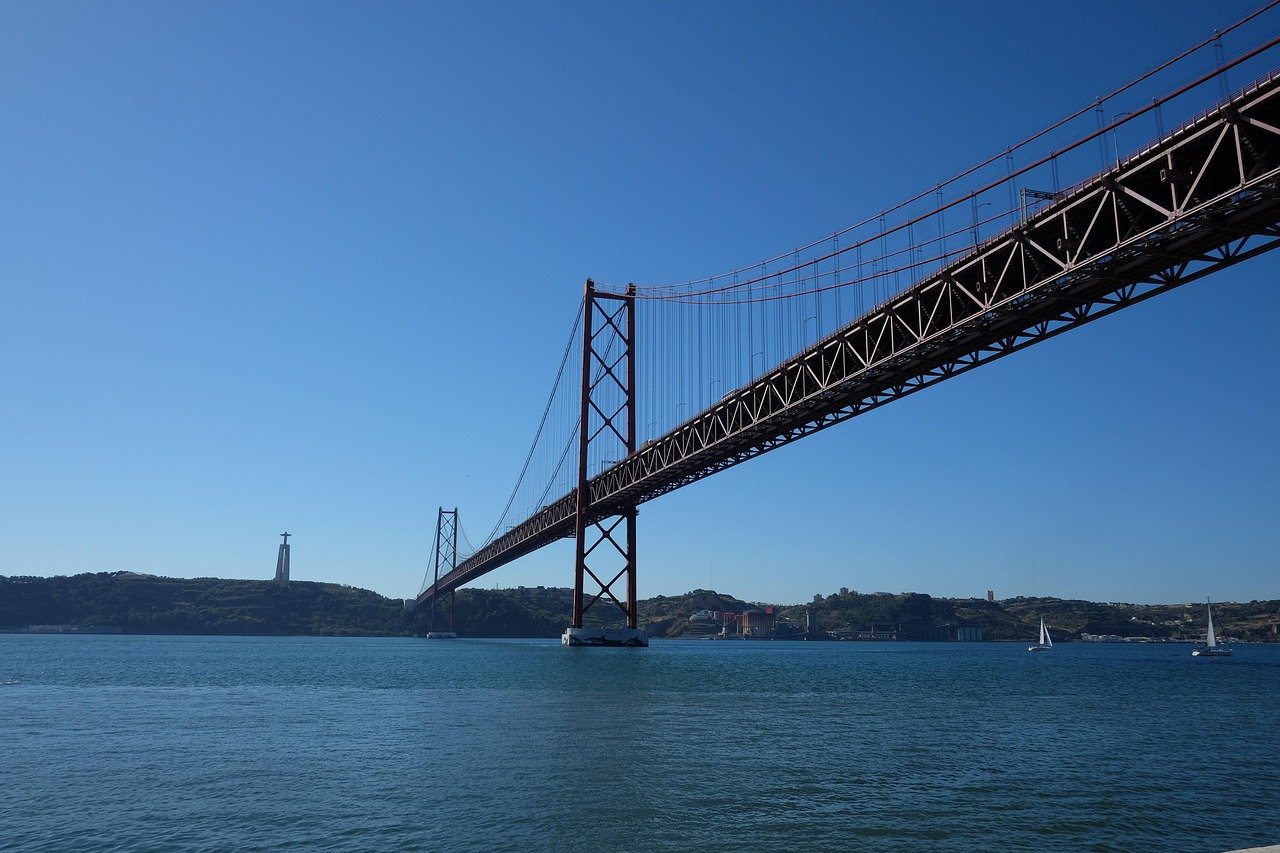
- Vasco da Gama Bridge: Spanning 12km across the Tagus, this modern marvel in Parque das Nações represents the city’s 21st-century ambition.
The Quintessential Portuguese Tradition: Chá e Pastéis
Lisbon has the ritual of the Café e Pastelaria. This tradition is a cornerstone of Portuguese social and business life.
From the opulent, historic mirrors of A Brasileira in Chiado—frequented by poet Fernando Pessoa—to the legendary Antiga Confeitaria de Belém, where the secret recipe for Pastéis de Nata has been guarded since 1837. It is a ritual of strong bica (espresso), warm custard tarts dusted with cinnamon, and delicate almond pastries.
For a modern corporate twist, we arrange Private Pastel de Nata Workshops where your team can learn the art of the perfect puff pastry, or “Tea with a View” at one of the city’s many Miradouros (viewpoints), combining traditional flavors with 360-degree vistas.

Lisbon’s Gastronomy: From Tascas to Michelin Stars
Lisbon is a global food capital on the move. The days of Portuguese cuisine being “undiscovered” are long gone; today, the city boasts over 10 Michelin-starred restaurants and a vibrant “Petiscos” (Portuguese tapas) scene that is reshaping European dining.
The Traditional Portuguese Tasca
The tasca is the social heart of Lisbon. Whether it’s a century-old tavern in Alfama or a modern neighborhood bistro in Príncipe Real, nothing beats a classic Bacalhau (salted cod) dish or a Bifana (pork sandwich) accompanied by a glass of Vinho Verde. These humble eateries are where Lisbon’s community life happens, often under the soulful sounds of a live Fado performance.
Time Out Market (Mercado da Ribeira)
Located in Cais do Sodré, the Time Out Market is a foodie’s paradise. It features a curated selection of Portugal’s top chefs and artisanal vendors under one historic roof. For a more local, neighborhood vibe for smaller groups, we often utilize the Mercado de Campo de Ourique, which offers a similar gourmet experience but with an authentic, local-first atmosphere.
A Global Sporting Capital
Lisbon is a city that lives and breathes sports. While it is famous for hosting the UEFA Champions League Finals, its daily culture is defined by its two “Eternal Rivals.”
Golf: The Lisbon Sports Club and the championship courses in Cascais and Sintra provide a tranquil setting for networking and executive retreats.
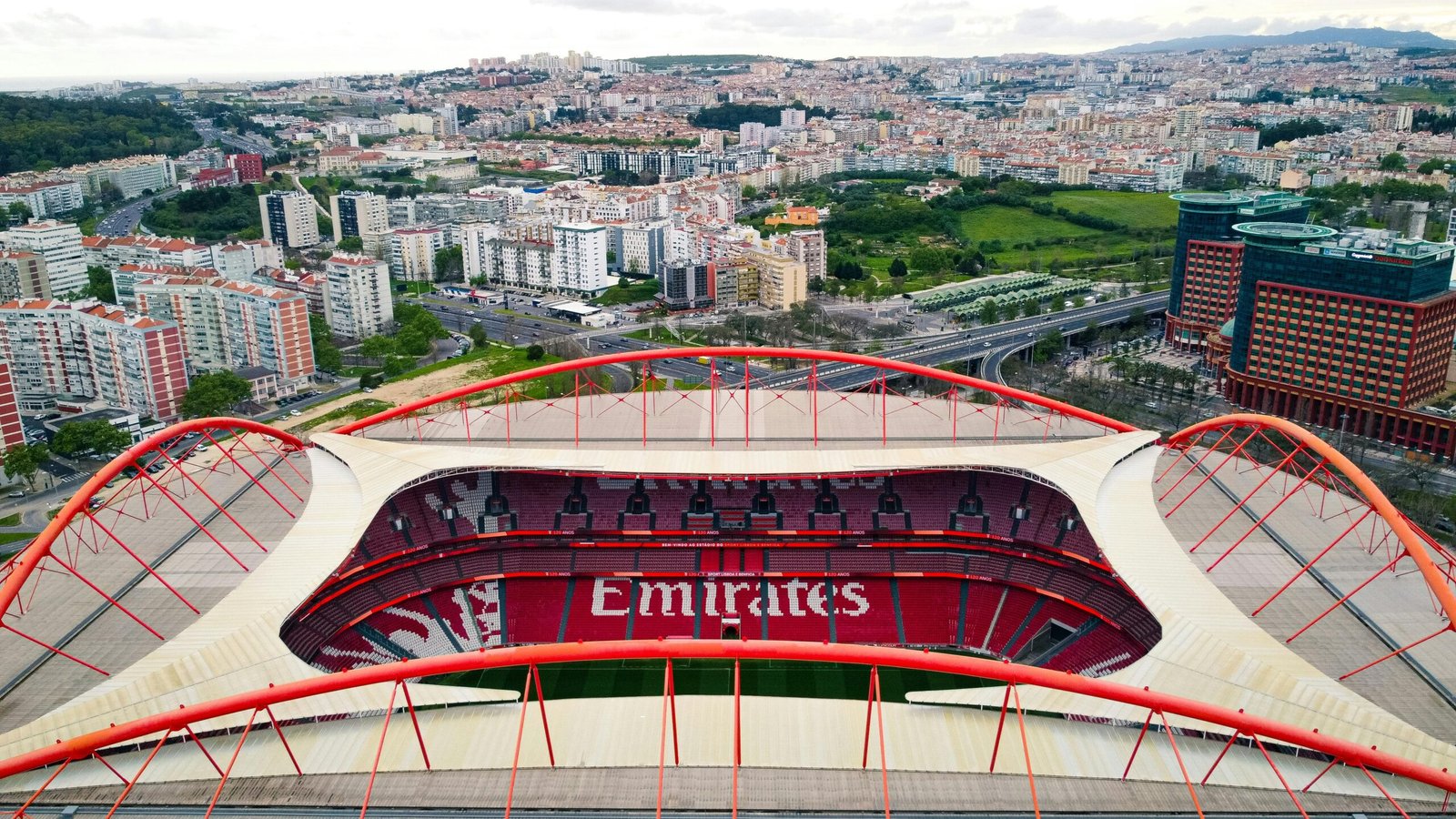
Football (Soccer): Lisbon is home to two of Europe’s most historic clubs: SL Benfica (playing at the 65,000-seat Estádio da Luz) and Sporting CP (at the modern Estádio José Alvalade). For corporate groups, a private box at the “Eternal Derby” is the ultimate matchday experience.
Surf & Water Sports: Just 20 minutes from the city center, the Estoril Coast and Carcavelos offer world-class surfing. Lisbon is increasingly seen as the “Surf Capital of Europe,” with the giant waves of Nazaré accessible for high-octane day trips.
Parks and Green Spaces: The Lungs of Lisbon
Despite its historic density, Lisbon is one of Europe’s greenest cities, with iconic hilltop gardens called Miradouros and massive forest parks.
- Parque Eduardo VII: A formal garden with manicured box hedges that offers the most famous view of the Lisbon skyline leading down to the Tagus River.
- Monsanto Forest Park: Known as the “Green Lungs of Lisbon,” this vast 900-hectare woodland is perfect for team-building hikes, mountain biking, and luxury camping experiences.
- Jardim da Estrela: A romantic, English-style garden opposite the Estrela Basilica, ideal for high-end outdoor receptions and corporate picnics.
- Gulbenkian Gardens: A masterpiece of landscape architecture, combining modern art, hidden waterways, and brutalist concrete—perfect for contemplative executive breaks.
Beyond the City: Iconic Day Trips from Lisbon
While Lisbon offers a lifetime of discovery, its location makes it the perfect base for exploring the diverse landscapes of Central Portugal.
- Sintra: A UNESCO World Heritage site just 30 minutes away, home to the fairytale Pena Palace and the mystical Quinta da Regaleira. It is an essential “money-can’t-buy” experience for any incentive trip.
- Cascais & Estoril: Known as the “Portuguese Riviera,” these former royal summer retreats offer elegant beaches, luxury marinas, and world-class seafood dining.
- Évora & The Alentejo: For groups seeking a slower pace, a day trip to the Roman city of Évora offers wine tasting in the sun-drenched cork forests of the Alentejo, just 90 minutes from the capital.
Shopping: From Artisan Markets to Luxury Avenues
Lisbon is a shopper’s paradise, offering a blend of historic charm and ultra-modern luxury that rivals any European capital.
- Avenida da Liberdade: Lisbon’s premier luxury boulevard. This tree-lined avenue is home to international flagship stores like Gucci, Louis Vuitton, and Prada, housed in stunning 19th-century architecture.
- Chiado & Rua Garrett: The historic heart of Portuguese retail. Here you’ll find Livraria Bertrand (the world’s oldest bookstore) and high-end boutiques alongside the Armazéns do Chiado mall.
- Embaixada (Príncipe Real): A “Concept Store” housed in a 19th-century Neo-Moorish palace. It features exclusive Portuguese designers and is a must-visit for those seeking unique, high-end gifts.
- Feira da Ladra: The legendary “Thieves Market” in Alfama. Held every Tuesday and Saturday, it’s the place to find vintage tiles, antiques, and curiosities.
- El Corte Inglés: Lisbon’s massive, 13-floor luxury department store in Avenidas Novas, offering everything from designer fashion to a gourmet food hall.

Practical Information for Your Lisbon Journey
Getting Around: The Metro and Beyond
The Lisbon Metro is clean, efficient, and the fastest way to navigate between the airport and the city center. In 2026, the system is fully modernized for international travelers.
Expert Tip: Avoid the queues. As of 2026, you can pay directly at the Metro barriers using Contactless Payment (bank card or phone). If you plan on using the historic yellow trams or elevators, buy a Navegantecard and load it with “Zapping” credit for the best rates.
Weather and When to Visit
Lisbon enjoys a Mediterranean climate with over 300 days of sunshine a year.
Autumn (September–October): A “second summer” with golden light and perfect temperatures for outdoor team-building.
Spring (March–May): Ideal for MICE events, with blooming jacarandas and mild temperatures (17°C to 22°C).
Summer (June–August): Vibrant and hot, cooled by Atlantic breezes. June is “Festival Month” with street parties across the city.
The Secret Side of Lisbon: Hidden Gems
While the Belem Tower is iconic, the true magic of Lisbon is found in its quieter corners.
- The Roman Galleries: Hidden beneath the busy streets of Baixa, these ancient vaulted chambers are only open to the public a few times a year—a true “money-can’t-buy” experience.
- Jardim do Torel: A hidden garden oasis overlooking Avenida da Liberdade, offering a peaceful retreat and a secret “beach” fountain in the summer.
- Ler Devagar (LX Factory): Often cited as one of the most beautiful libraries in the world, this converted printing press is the artistic heart of the Alcântara district.
- Miradouro da Senhora do Monte: The highest viewpoint in the city. While others crowd the castle, we take our VIP guests here for the most breathtaking, unobstructed sunset views.
Conclusion: Why Lisbon is the Choice for 2026
Lisbon is a city that perfectly balances its age-old maritime soul with a forward-thinking, high-tech energy. Its resilience, its legendary “Golden Light,” and its world-class infrastructure are why it has become the most sought-after destination for international meetings and incentives in Europe.
Frequently Asked Questions About Lisbon
Is Lisbon safe for international groups?
Yes, Lisbon consistently ranks as one of the safest capitals in Europe. While standard precautions against petty theft in tourist-dense areas (like Tram 28) are advised, the city is welcoming and secure.
How many days are needed for a corporate program?
A 3-to-4 day program allows for a balanced mix of professional sessions in the city and an incentive day trip to Sintra or Cascais.
What is the currency and payment culture?
Portugal uses the Euro (€). In 2026, Lisbon is a highly “cashless-friendly” city. Most establishments—from luxury boutiques to traditional tascas—accept major credit cards and mobile payments.
This is why Lisbon is frequently chosen for international meetings, events, and professional programs.
Ready to visit Lisbon?
Get in touch with our team today and get a free consultation about your upcoming trip!